9 signs that you need a new roof in oklahoma
If you own a home in Oklahoma your roof is one of the most important systems protecting your home, yet it’s also one of the easiest to overlook. Many homeowners don’t realize there’s a serious problem until water is dripping from the ceiling or shingles are scattered across the yard after a storm.
In Oklahoma, where roofs endure intense sun, high winds, hailstorms, freezing temperatures, and sudden weather swings, roofing materials wear out faster than many people expect. Knowing the early warning signs of needing a Roof Replacement can save you from expensive interior damage, insurance complications, and emergency repairs.
Below are nine clear signs that it may be time to consider a new roof — and why acting early is almost always the smarter move.
1. Your Roof Is Near or Past Its Expected Lifespan in Oklahoma City
Every roofing system has a lifespan, even if it looks “okay” from the ground.
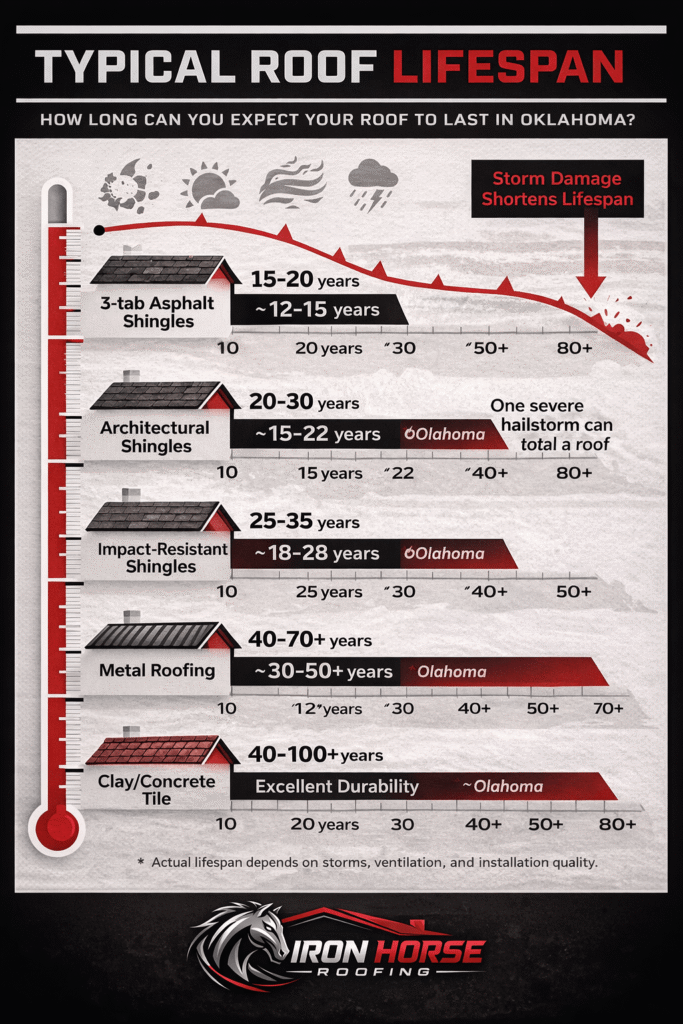
Typical roof lifespans:
- 3-tab asphalt shingles: 15–20 years
- Architectural shingles: 20–30 years
- Metal roofing: 40–70 years
In Oklahoma, severe weather can shorten these timelines. Hail impacts, high winds, and extreme heat cause shingles to age faster, dry out, and lose protective granules.
If your roof is 20+ years old, even without visible damage, it’s smart to have it inspected annually. Many roofs fail gradually, not all at once. Waiting until a leak appears usually means the damage has already spread beneath the shingles.
Why this matters:
Insurance companies often scrutinize older Oklahoma roofs more closely. A roof that has exceeded its intended lifespan may face partial coverage or claim disputes if damage occurs.
Roof Lifespan Calculator
Estimate how close your roof may be to the end of its typical lifespan (Oklahoma weather adjusted).
Roof Storm-Risk Calculator
Oklahoma roofs can be “aged” by storms in a single day. This estimates risk based on roof type, age, and storm exposure.
If you want to calculate the cost to replace your oklahoma roof check out our Roof Replacement calculator.
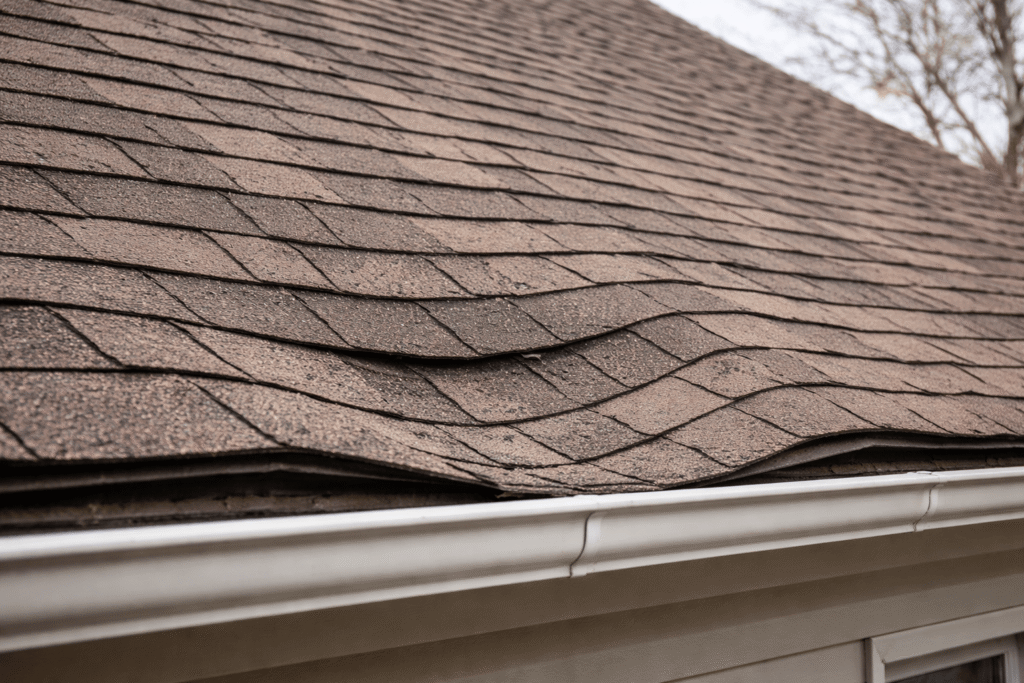
2. Shingles Are Curling, Buckling, or Lifting
Shingles should lie flat against your roof. When they start to curl at the edges, buckle in the middle, or lift during wind, it’s a strong sign the Oklahoma roofing system is failing.
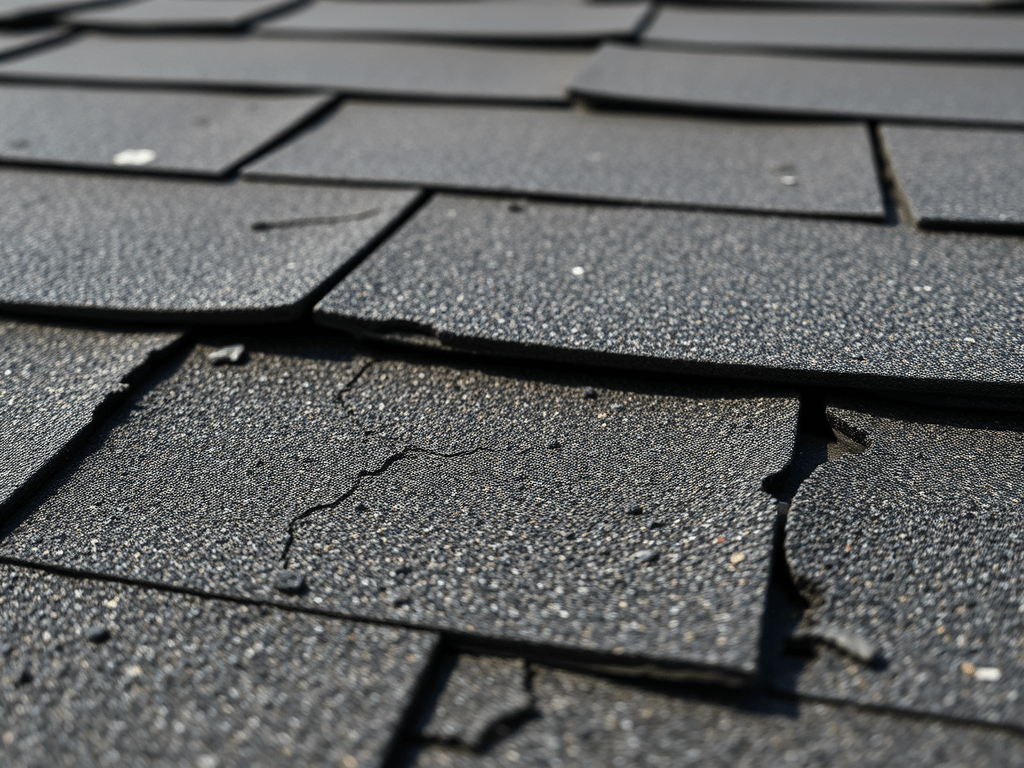
Common causes include:
- Heat damage from prolonged sun exposure
- Moisture trapped beneath shingles
- Aging materials losing flexibility
- Improper ventilation
Once shingles begin to lift, they become vulnerable to wind damage and water intrusion. Even small storms can rip them off entirely.
Why this matters:
Lifted or curled shingles can allow water to penetrate the roof deck, leading to rot, mold, and insulation damage long before a visible leak appears inside the home.
Schedule a free inspection
3. Granules Are Missing or Collecting in Gutters
Asphalt shingles are coated with granules that protect them from UV rays and impact damage. Over time, some granule loss is normal — but excessive loss is not.
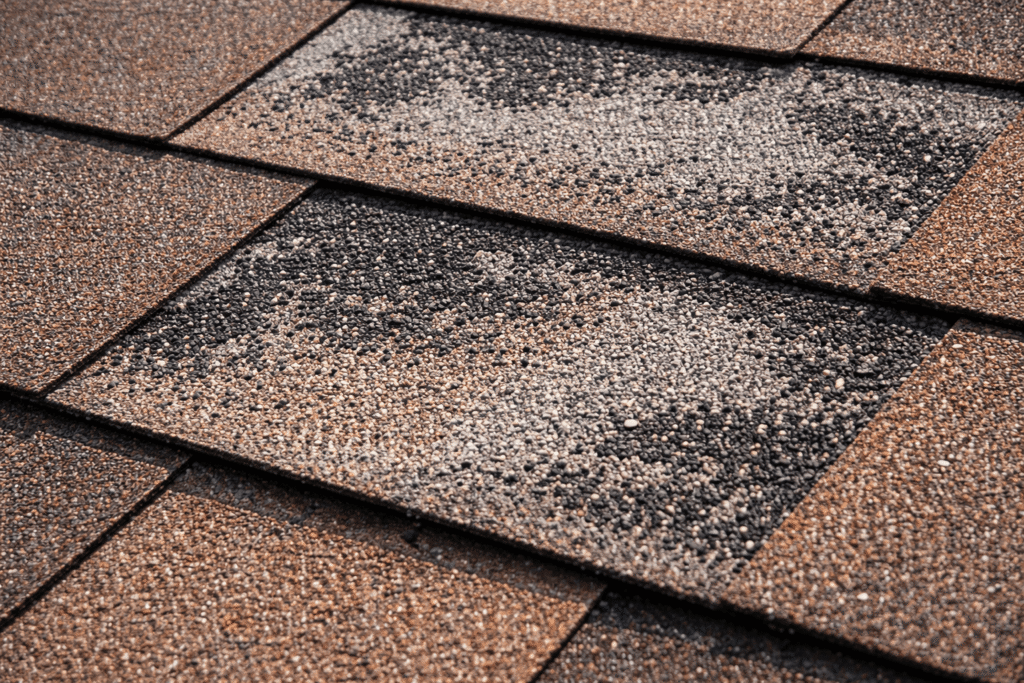
Signs of serious granule loss include:
- Bald or shiny-looking shingles
- Granules collecting heavily in gutters or downspouts
- Dark streaks or uneven roof coloration
In hail-prone areas like Oklahoma, granule loss often happens faster due to repeated impacts.
Why this matters:
Without granules, shingles deteriorate rapidly. They absorb more heat, crack more easily, and lose their ability to repel water. Once granules are gone, replacement is usually the only reliable solution.
4. Water Stains or Leaks Inside the Home
Interior signs are often the first thing homeowners notice — and unfortunately, they usually appear after Oklahoma roof damage has progressed.
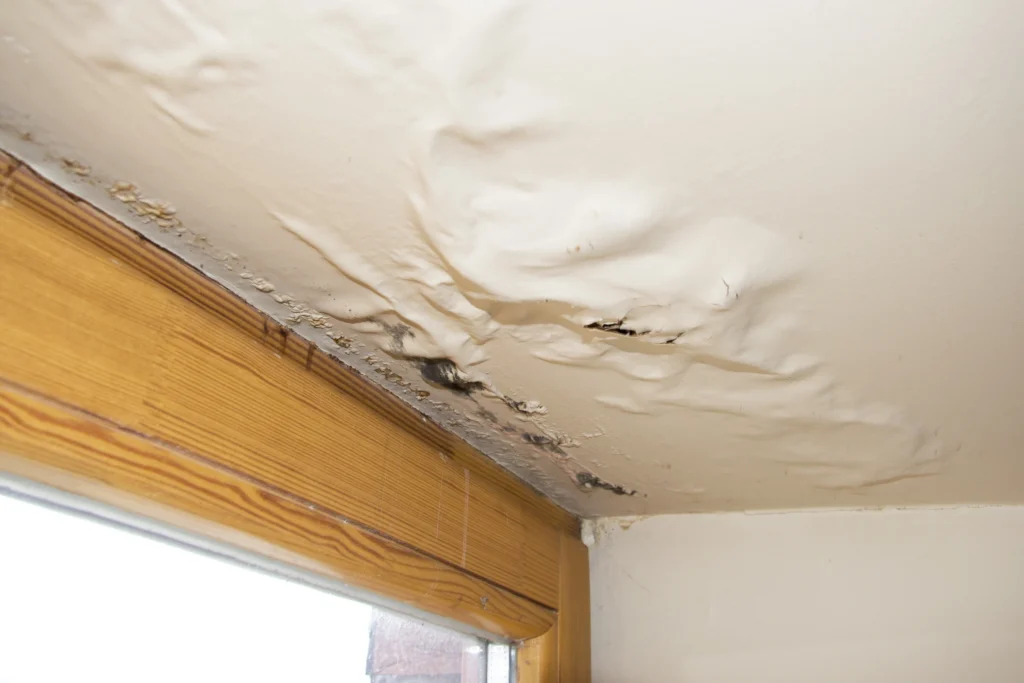
Watch for:
- Brown or yellow stains on ceilings or walls
- Bubbling or peeling paint
- Dripping water during heavy rain
- Musty odors in attics or rooms
Leaks don’t always show up directly below the damaged area. Water can travel along rafters, insulation, and framing before appearing indoors.
Why this matters:
By the time you see interior water damage, the Oklahoma roofing system has often been compromised for some time. Spot repairs may no longer be sufficient, especially if multiple areas are affected.
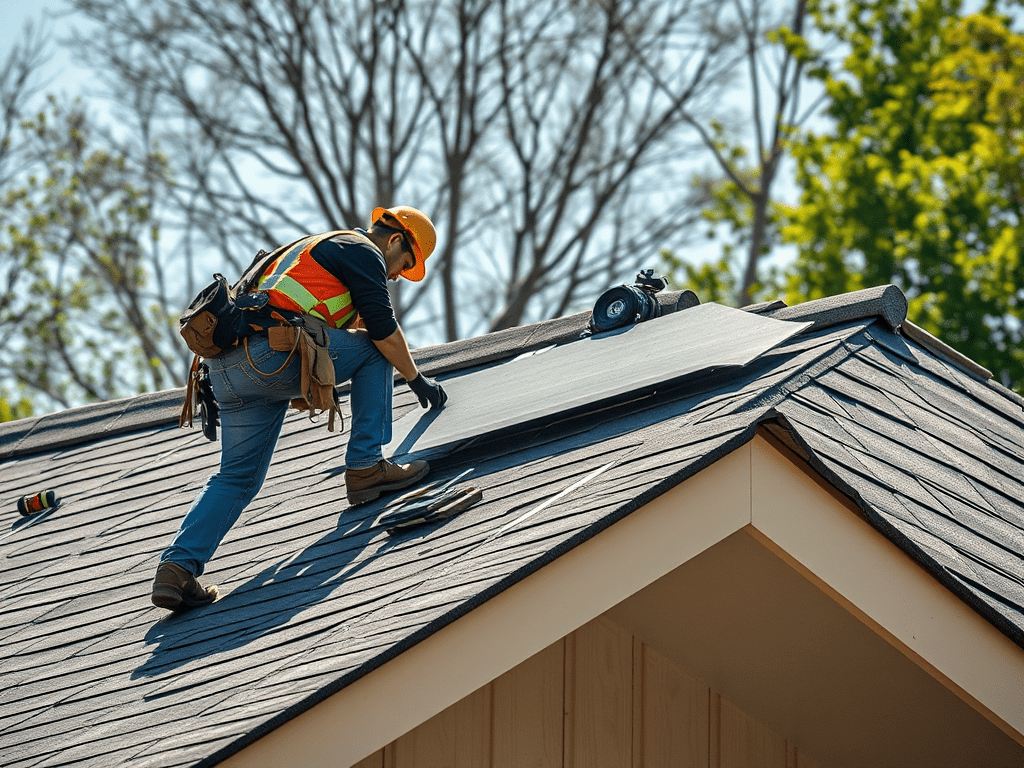
5. Frequent Repairs Are Becoming the Norm for oklahoma roofs
If you find yourself calling a Oklahoma roofer every year — or after every storm — that’s a red flag.
Signs repair costs are adding up:
- Replacing shingles repeatedly
- Re-sealing flashing multiple times
- Fixing recurring leaks in different areas
- Temporary patches that don’t last
At a certain point, ongoing repairs cost more than a replacement, without providing long-term reliability.
Why this matters:
Insurance carriers may also view repeated repairs as evidence of an aging Oklahoma roofs and may push for replacement rather than continuing to approve patchwork fixes.
Schedule a free inspection
6. Sagging Oklahoma Roof Lines or Soft Spots
A roof should appear straight and solid. Sagging areas, dips, or uneven lines often indicate structural problems beneath the shingles.
Potential causes include:
- Water-damaged roof decking
- Rotting rafters
- Long-term moisture intrusion
- Excess weight from multiple shingle layers
Soft spots when walking on the roof are a serious concern and should be addressed immediately.
Why this matters:
Structural damage can escalate quickly and become a safety issue. In many cases, sagging indicates damage that cannot be resolved with surface-level repairs alone.
7. Hail or Wind Damage from Recent Storms
Oklahoma storms are notorious for causing roof damage that isn’t always obvious from the ground.
Hail damage may include:
- Bruised shingles (soft spots beneath the surface)
- Granule displacement
- Cracks or punctures
Wind damage may include:
- Lifted or creased shingles
- Missing ridge caps
- Exposed underlayment
Even small hail can weaken shingles enough that they fail months later.
Why this matters:
Many homeowners miss the insurance filing window because damage wasn’t visible immediately. A professional inspection after storms helps document damage early and protects your claim rights.
8. Daylight Visible in the Attic
A big problem for Oklahoma Homeowners is if you see sunlight coming through roof boards when you’re in the attic, that’s a clear sign of trouble. This is a major problem for Oklahoma homeowners.
Also watch for:
- Moist insulation
- Mold or mildew
- Drafts entering through the roof
Light penetration usually means holes, gaps, or compromised decking — all of which allow water and air intrusion.
Why this matters:
Once decking is compromised, replacing shingles alone is often not enough. A full roof replacement ensures the structure is restored properly.
9. Your Oklahoma Roof Is Hurting Your Home’s Value or Insurance
An aging or damaged roof doesn’t just affect your home physically — it can impact finances too.
Potential consequences include:
- Lower resale value
- Failed home inspections
- Higher insurance premiums
- Non-renewal or coverage limitations
- Difficulty selling or refinancing
In competitive markets, buyers and insurers alike pay close attention to roof condition.
Why this matters:
Replacing your roof proactively can protect your investment, improve curb appeal, and prevent last-minute surprises during sales or insurance renewals.
Schedule a free inspection
Roof life span chart
| Material | Typical Lifespan (General) | Expected Lifespan in Oklahoma |
|---|---|---|
| 3-tab asphalt | 15–20 years | ~12–15 years |
| Architectural shingles | 20–30 years | ~15–22 years |
| Impact shingles | 25–35 years | ~18–28 years |
| Metal roofing | 40–70 years | ~30–50 years |
When Repair Is No Longer Enough for oklahoma roofs
While repairs make sense for isolated, minor damage, there comes a point when replacement is the safer and more cost-effective option.
Replacement is often recommended when:
- Damage is widespread across multiple slopes
- Shingles are brittle or failing system-wide
- Leaks continue after repairs
- The roof has reached the end of its service life
A professional inspection can help determine whether repair or replacement is the best path forward.
Why Early Inspections Matter on oklahoma roofs
Many of the signs above start small and worsen over time. Regular inspections — especially after storms — allow issues to be identified early, when options are still available.
Benefits of early inspections include:
- Catching hidden storm damage
- Documenting conditions for insurance
- Preventing interior damage
- Avoiding emergency repairs
- Planning replacement on your timeline, not during a crisis
Final Thoughts
Your roof doesn’t have to be leaking or collapsing to need attention. Subtle signs often appear years before major failure occurs. In Oklahoma’s challenging climate, proactive inspections and informed decisions can save homeowners thousands of dollars and a great deal of stress.
If you recognize one or more of these signs, it’s worth having your roof professionally inspected to understand your options. Knowing where your roof stands today helps you protect your home tomorrow.