Can Insurance Deny a Roof Replacement After Hail?
Yes — insurance can deny a roof replacement after hail, even when a homeowner believes the damage is obvious. In storm-prone areas like Oklahoma City, this happens more often than people expect. Understanding why claims are denied, how insurance companies evaluate hail damage, and what you can do to protect yourself is critical. Just as important is choosing a trusted, experienced roofing contractor who knows how to document damage, communicate with adjusters, and prevent costly mistakes.
This guide explains everything homeowners need to know — and why the contractor you choose can determine whether your claim is approved or denied.
Why Insurance Denies Roof Replacement Claims After Hail
Insurance companies don’t deny claims at random. Most denials fall into a few predictable categories. Knowing these reasons puts you in a stronger position before you ever file a claim.
1. Damage Is Labeled as “Cosmetic”
Cosmetic damage is damage that affects the appearance of a roof but, according to an insurance company, does not immediately affect the roof’s ability to keep water out.
In simple terms:
👉 It looks damaged, but the insurer claims it still “works.”
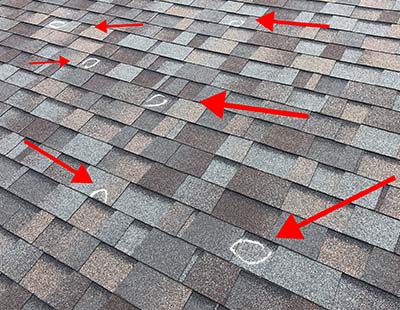
What Cosmetic Damage Looks Like on a Roof

Common examples that can cause a insurance company to deny your hail claim include:
- Dents or dark spots on shingles
- Granule loss that doesn’t expose the mat
- Surface bruising without visible cracks
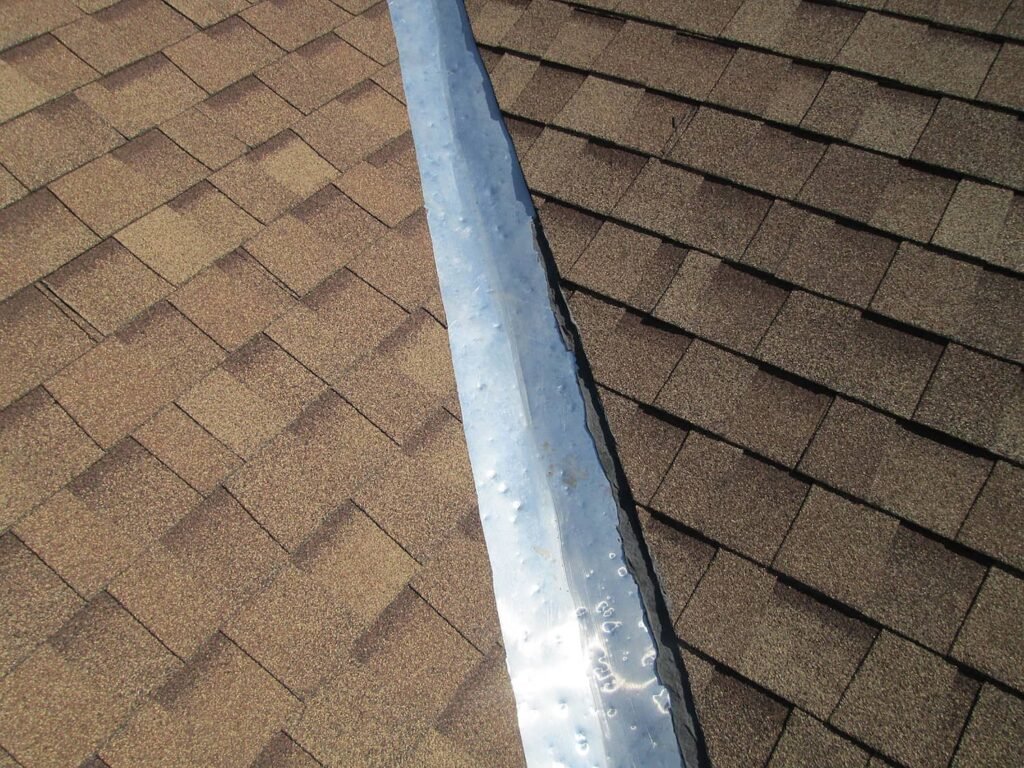
- Dents in soft metals (vents, caps) without punctures
From the ground, this damage can look severe. However, insurance companies may still classify it as cosmetic and deny your hail claim.
Why Insurance Companies Call It “Cosmetic”
Insurance policies often distinguish between:
- Cosmetic damage (appearance only)
- Functional damage (affects performance or lifespan)
If an adjuster believes the roof can still:
- Shed water
- Pass inspections
- Avoid immediate leaks
…the damage may be labeled cosmetic and they will deny your insurance claim.
Many modern policies even include explicit cosmetic damage exclusions, especially in hail-prone states.
Why Cosmetic Damage Still Matters
This is where homeowners get frustrated—and rightfully so.
Even if a roof isn’t leaking today, cosmetic hail damage can:
- Shorten the roof’s lifespan
- Weaken shingle integrity over time
- Void manufacturer warranties
- Lead to future leaks months or years later
- Reduce home value and curb appeal
In other words, cosmetic today can become functional tomorrow.
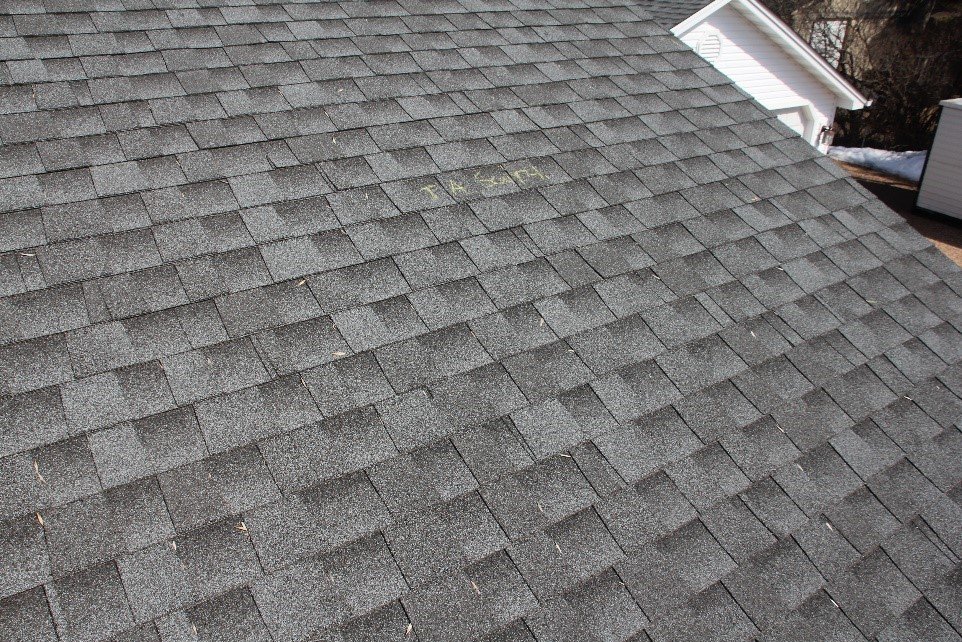
Cosmetic vs. Functional Damage (Key Difference)
| Cosmetic Damage | Functional Damage |
|---|---|
| Affects appearance | Affects performance |
| May not leak immediately | Can allow water intrusion |
| Often excluded by insurance | Commonly covered |
| Harder to prove | Easier to justify replacement |
The challenge is proving when cosmetic damage has crossed into functional damage—and that’s where documentation matters.
Why Contractors Play a Critical Role
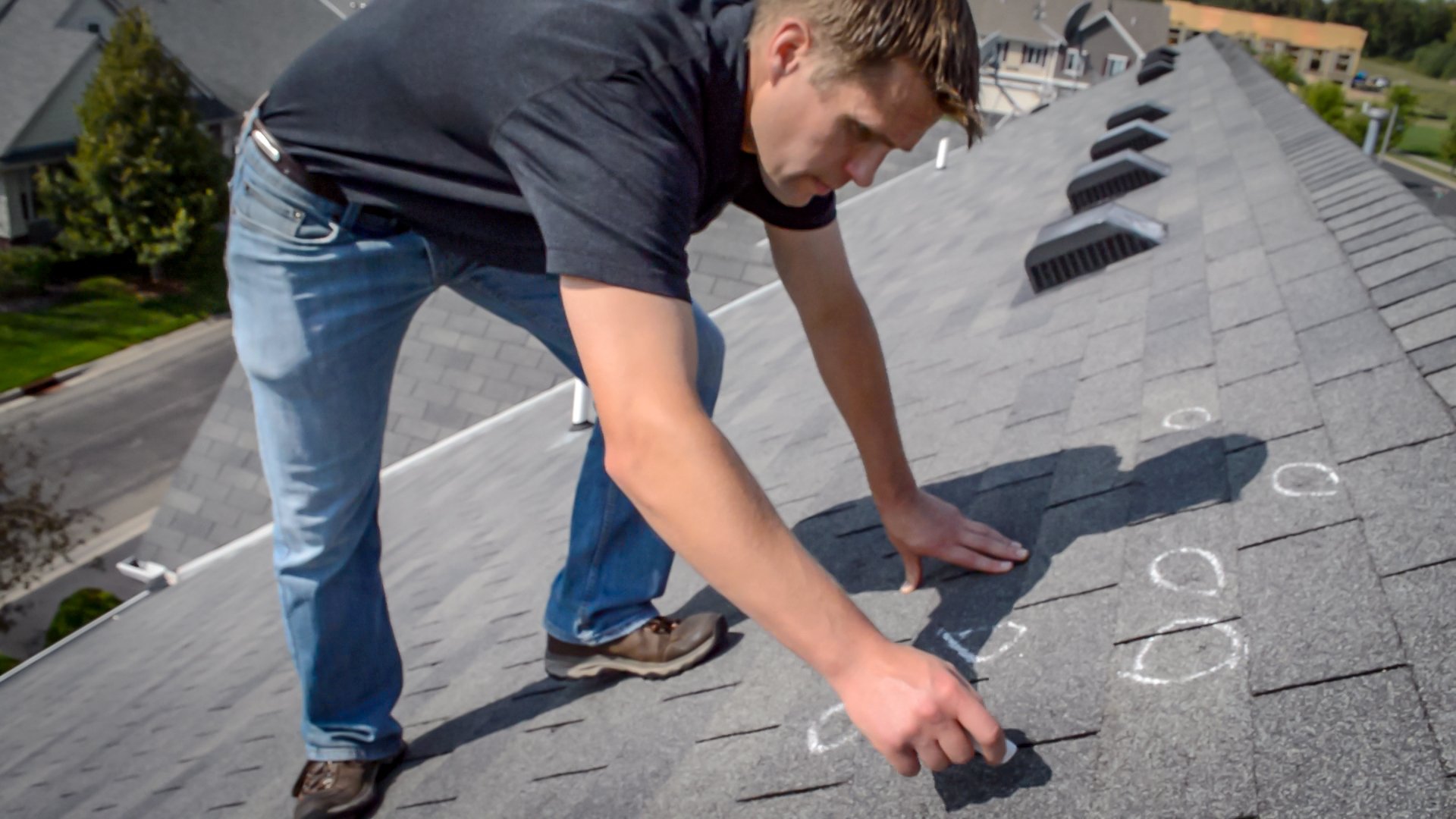
Insurance adjusters may spend 10–20 minutes on a roof.
A qualified contractor may spend an hour or more.
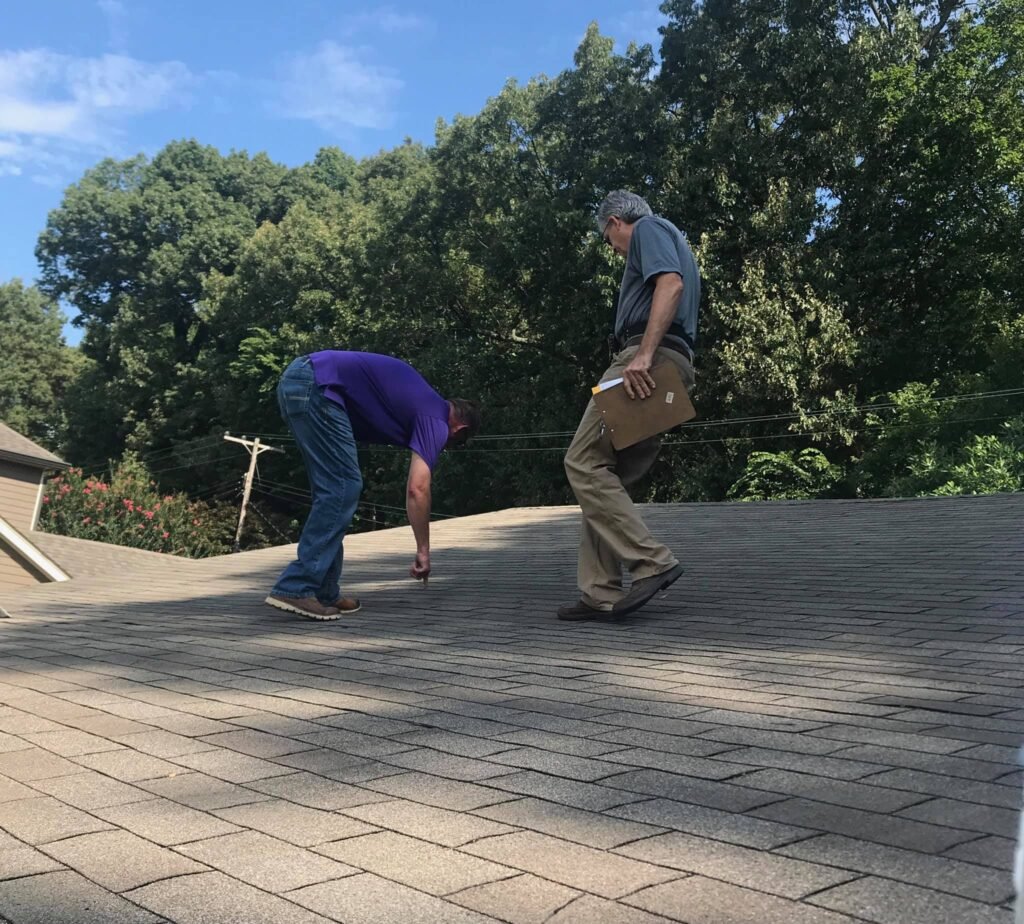
A trusted roofer looks for:
- Fractured shingle mats
- Compromised granule adhesion
- Impact density per square
- Collateral damage to vents, flashing, and gutters
- Manufacturer repairability standards
Proper documentation can show that damage is not merely cosmetic, even if it looks subtle. When you hire a contractor to help you with the process an insurance company typically will be more thorough and it can lower the chances of a denied hail claim.
Can Insurance Deny a hail Claim Based on Cosmetic Damage?
Yes. Very often. Unfortunately many insurance companies hire adjusters that are not looking out for the homeowner. Many adjusters are even instructed to deny the claim even before they show up to the property. This has became a big problem especially here in Oklahoma City. It has resulted in class action lawsuits against the insurance company.
- Denial does not always mean the end of the claim
- Reinspections and supplemental evidence can change outcomes
- Poor initial inspections are a leading cause of denials
This is why having the right contractor involved early is so important.
Why Homeowners Should Be Careful
Filing a claim without understanding cosmetic vs. functional damage can:
- Result in a denial on your record
- Affect future premiums
- Limit coverage options later
A professional inspection before filing helps you avoid unnecessary claims.
Bottom Line
Cosmetic damage means visible roof damage that an insurer claims does not immediately affect performance.
However, cosmetic damage can still:
- Reduce roof life
- Cause future failures
- Justify replacement when properly documented
The difference between approval and denial often comes down to experience, evidence, and the contractor you choose.
2. Wear and Tear vs. Storm Damage
Insurance does not cover:
- Normal aging
- Brittle shingles
- Long-term deterioration
Adjusters may claim:
- Damage existed before the storm
- The roof was already near the end of its lifespan
- Issues are due to deferred maintenance
An experienced contractor can help establish storm-related causation, especially when hail accelerates failure on an older roof.
3. Missed or Late Claims
Insurance policies typically require claims to be filed within a reasonable time after the storm. Waiting too long can result in denial.
Common mistakes include:
- Not realizing hail damage occurred
- Assuming damage would be obvious
- Waiting until leaks appear months later
A professional inspection immediately after major storms helps protect your rights.
4. Insufficient Evidence
If there’s no clear proof:
- Date of loss
- Size and severity of hail
- Consistent impact patterns
…the claim may be denied. This is where homeowners often lose claims without realizing it.
A trusted contractor documents:
- Test squares
- Soft metal damage
- Collateral damage (vents, gutters, flashing)
- High-resolution photos and measurements
5. Policy Exclusions and Limitations
Some policies include:
- Cosmetic damage exclusions
- Actual cash value (ACV) roofs
- Depreciation schedules
- Percentage deductibles for wind or hail
Understanding these provisions is crucial before assuming a full replacement will be covered.
How Insurance Companies Decide to Replace a Roof after hail damage
Insurance companies do not automatically replace roofs after hail. Their decision usually comes down to repairability.
They evaluate:
- Number of damaged shingles per square
- Location of impacts
- Shingle availability and matching
- Manufacturer repair guidelines
If repairs are deemed “reasonable,” insurers may approve only partial repairs — even if replacement is the better long-term solution.
This is where the right contractor matters most.
Why the Contractor You Choose Can Make or Break Your Claim
Many homeowners assume contractors only install roofs. In reality, the contractor often plays a major role in claim success.
A Trusted Contractor Will:
- Perform a thorough storm damage inspection
- Identify functional hail damage insurers often miss
- Meet with adjusters on-site
- Provide repairability analysis
- Submit accurate documentation
- Advocate for proper scope of work
An Inexperienced or Unethical Contractor May:
- Miss critical damage
- Overpromise outcomes they can’t deliver
- Submit weak or incomplete documentation
- Push unnecessary claims
- Leave you with a denial and no recourse
Common Mistakes Homeowners Make After a Denial
If your claim is denied, it doesn’t always mean the case is closed — but mistakes can make it final.
❌ Accepting the First Denial Without Review
❌ Failing to Request Reinspection
❌ Hiring a contractor unfamiliar with insurance claims
❌ Filing multiple unsupported claims
A denial should trigger review and escalation, not resignation.
What a Professional Reinspection Can Change
When handled correctly, reinspections often result in:
- Claim reversals
- Expanded scopes
- Partial-to-full replacement approvals
A trusted roofing contractor knows how to:
- Address denial reasoning directly
- Provide additional evidence
- Clarify functional damage
- Correct adjuster oversights
The Importance of Local Experience in Oklahoma City
Oklahoma City presents unique challenges:
- Frequent hailstorms
- Rapid weather changes
- Insurance carrier scrutiny due to claim volume
- Code requirements and material standards
A local contractor understands:
- Regional hail patterns
- Local building codes
- Adjuster expectations in Oklahoma
- How storms affect different roofing systems
Out-of-state or “storm-chasing” contractors often disappear after the job — or worse, before it’s complete.
How Trusted Contractors Protect Homeowners Long-Term
Beyond claim approval, the right contractor protects you after installation.
This Includes:
- Code-compliant installation
- Proper ventilation and underlayment
- Manufacturer warranty protection
- Workmanship warranties
- Accurate final invoices for insurance records
Improper installation can result in:
- Voided warranties
- Future claim denials
- Out-of-pocket repairs
Can Insurance Deny a Roof Replacement Even If My Neighbor Was Approved?
Yes — and this surprises many homeowners.
Approval depends on:
- Roof age
- Material type
- Impact density
- Inspection quality
- Documentation
Two homes on the same street can receive different outcomes if inspections differ.
When Insurance Is More Likely to Approve Full Replacement
While no outcome is guaranteed, approvals are more likely when:
- Hail damage is functional
- Collateral damage is present
- Shingles cannot be repaired or matched
- Damage is well-documented
- The contractor communicates clearly and professionally
Should You File a Claim Before Calling a Roofer?
This is one of the biggest mistakes homeowners make.
Always have a professional inspection first.
Filing a claim without confirmation can:
- Result in a denial on record
- Affect future premiums
- Limit future coverage options
A trusted contractor helps you decide whether filing a claim is even in your best interest.
How Trusted Contractors Help You Avoid Insurance Pitfalls
Working with a reputable local contractor means:
- No pressure to file unnecessary claims
- Honest assessments
- Clear expectations
- Transparent communication
Your roof is too important to gamble on guesswork.
Final Thoughts: Protect Your Home and Your Claim
Yes, insurance can deny a roof replacement after hail — but many denials are preventable. The difference often comes down to:
- Inspection quality
- Documentation
- Contractor experience
- Understanding insurance standards
Choosing a trusted, local roofing contractor ensures you’re protected not only during installation, but throughout the entire insurance process. If you are needing your roof replaced in Oklahoma City we can help!