Was Your Insurance Claim Denied?
If you have a denied insurance claim in Oklahoma City, that is not the end of the road. Iron Horse Roofing can inspect the damage, document what was missed, and help you understand your next steps after a roof claim denial.
Turn a Denied Roof Insurance Claim in Oklahoma City Into an Approval
If you live in Oklahoma City, you already know severe weather is not a possibility — it is a reality. Hailstorms, high winds, tornadoes, and heavy rain can cause significant roof damage in a matter of minutes. Most homeowners follow the process exactly as they should: they contact their insurance company, file a claim, meet with the adjuster, and expect a fair evaluation of the damage.
“Coverage is limited.”
“Damage is cosmetic.”
“Wear and tear.”
“Maintenance issues.”
“Below deductible.”
“No storm damage found.”
For many homeowners, a denied roof insurance claim feels like the end of the road. Fortunately, that is often not the case.
Roof claim denials are common throughout Oklahoma City and surrounding communities. In many situations, claims are later approved after additional documentation is submitted, a reinspection is performed, or evidence is presented that was overlooked during the original inspection.
A professional roof inspection, detailed storm damage documentation, photographs, weather data, test squares, and expert opinions can often strengthen a claim and provide support for reconsideration. In some cases, legal representation may become necessary when an insurance company refuses to honor the terms of the policy despite clear evidence of covered damage.
In This Guide, You’ll Learn:
- The most common reasons roof insurance claims get denied in Oklahoma City
- The difference between cosmetic and functional hail damage
- The exact steps to take immediately after receiving a denial letter
- How a qualified roofing contractor can strengthen your position
- When requesting a reinspection makes sense
- When involving an attorney may help turn a denial into an approval
- Common mistakes that can hurt otherwise valid claims
- Practical checklists, strategies, and scripts homeowners can use
If your roof has suffered storm damage and you are considering replacement options, visit our Roof Replacement in Oklahoma City page to learn more about roofing systems, materials, and full-service options.
Why Roof Insurance Claims Get Denied in Oklahoma City
Insurance companies usually deny roof insurance claims for one of two reasons: they claim the damage is not covered under the policy, or they claim the damage was not caused by the reported storm event. In reality, there are several denial categories that appear repeatedly in Oklahoma City roof claims.
“Cosmetic Damage Only” (The Most Common Denial)
One of the most common denial letters Oklahoma homeowners receive is based on the argument that the damage is merely cosmetic and does not affect the functionality of the roof.
“No functional impairment.”
“Roof remains serviceable.”
“No leaks observed.”
This can be frustrating because hail damage does not always create an immediate leak. A roof may appear to be performing normally today while still suffering from damage that shortens its lifespan and compromises its ability to protect the home in the future.
Insurance companies often attempt to draw a distinction between appearance and performance, but that distinction is not always as clear as it sounds. A roof can be functionally damaged long before water enters the home.
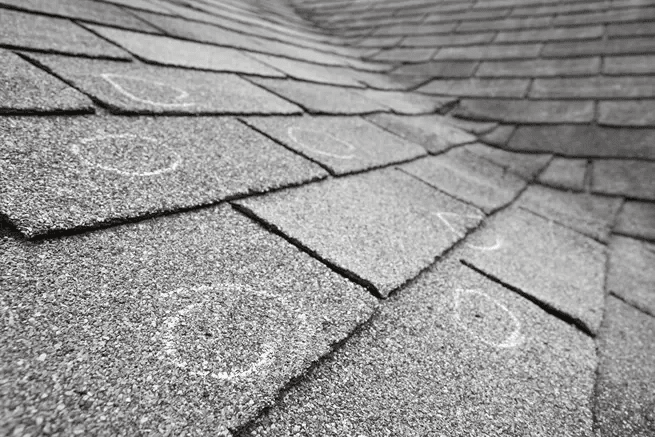
Examples of Functional Roof Damage May Include:
- Fractured shingle matting
- Bruising that breaks the integrity of the shingle
- Exposed asphalt where protective granules were displaced
- Cracking that expands through heat and cold weather cycles
- Compromised sealing strips
- Wind-lift damage and creased shingles
Even when a roof is not actively leaking, it may still have sustained functional storm damage. Proper documentation, testing, photographs, and expert evaluation can help determine whether a roof’s ability to perform has been compromised and whether additional review of the claim may be warranted.
Other Common Roof Claim Denials in Oklahoma City
After a storm, insurance companies may use several different explanations to deny, limit, or underpay a roof insurance claim. Understanding the language in the denial letter can help Oklahoma City homeowners know what evidence may be needed next.
“Wear and Tear” or Maintenance Issues
“Granule loss consistent with age.”
“Brittle shingles.”
“Improper ventilation.”
“Old roof; not storm-related.”
Insurance policies usually exclude normal wear and tear, but that does not mean an insurance company can ignore new storm damage simply because the roof is older. A roof can have age-related conditions and still suffer fresh hail or wind damage.
The real question becomes: can the homeowner prove the reported storm caused the damage being claimed? That is where photos, storm dates, inspection notes, collateral damage, and professional documentation matter.
“Not Enough Hail Hits” or “No Storm Damage Found”
“Minimal hits; below threshold.”
“Damage does not warrant replacement.”
This is a common tactic used by insurance companies to push denied claims in Oklahoma City. Adjusters may conclude there are not enough hail impacts to justify replacement, especially if the inspection was quick or incomplete.
Oklahoma City hail can be extremely localized. Two streets in the same neighborhood can experience very different storm intensity. Damage may be missed on north-facing slopes, soft metals, steep roof sections, higher elevations, or areas shaded by trees.
“Below Deductible” or Limited Coverage
Sometimes the issue is not a full denial — it is an underpayment. The carrier may agree that damage exists but claim the total repair amount is below the deductible or only approve small repairs that do not match the actual scope needed.
- Paying for a few shingles when an entire slope is compromised
- Ignoring collateral damage to vents, gutters, flashing, or soft metals
- Undervaluing labor, steep charges, or code-required items
- Leaving out necessary line items required to complete the job correctly
Underpayment can be just as serious as a denial because it may leave the homeowner without enough approved funds to properly restore the roof.
Late Notice or Missed Deadline
Many insurance policies require homeowners to give “prompt notice” after discovering damage. Some carriers take a strict position when a claim is reported months after the storm date.
- No leaks were visible at first
- The homeowner did not realize roof damage existed
- The damage looked cosmetic from the ground
- A contractor did not inspect the roof until months later
Late reporting can complicate a claim, but it does not always end it. What matters is how well the storm event, discovery date, roof condition, and documented damage are supported.
6) Incorrect Storm Date or Causation Dispute
Another common reason roof insurance claims get denied in Oklahoma City is a disagreement over when the damage occurred or whether the reported storm actually caused the damage. In these situations, the insurance company may acknowledge that damage exists but argue that it is unrelated to the claimed loss event.
“The damage predates the reported storm.”
“The storm was not severe at this location.”
“Another weather event caused the damage.”
“No evidence supports storm-related causation.”
Insurance companies frequently investigate whether the reported storm date aligns with available weather data and whether the observed damage can reasonably be connected to that event. If they believe the damage existed beforehand or resulted from another cause, they may deny coverage entirely.
This issue can become especially complicated in Oklahoma City because hail and wind events are often highly localized. One neighborhood may experience significant hail while another area just a few miles away receives little to no measurable damage. As a result, insurance companies sometimes challenge whether the storm was severe enough at a specific property address to cause the claimed damage.
Evidence That Can Help Support Causation:
- Storm reports and hail tracking data
- Weather service documentation
- Roof inspection photographs
- Collateral damage to gutters, vents, flashing, and soft metals
- Date-stamped inspection reports
- Contractor observations and test square findings
- Property-specific documentation showing recent storm impacts
When causation becomes the issue, documentation becomes everything. The stronger the connection between the reported storm event and the observed roof damage, the more difficult it becomes for an insurance company to argue that the damage is unrelated to the loss date.
Schedule a Free Evaluation
Let us take a look at your denial and help you decide the best course of action. Our team can review your denial letter, inspect the property, document storm damage, and explain potential options available for your situation.
What “Denied” Actually Means (And Why It’s Not Always Final)
A denial letter is not the same thing as a court order. It is simply the insurance carrier’s position based on its inspection, documentation, and claim handling. Many denied roof insurance claims in Oklahoma City are eventually approved after additional evidence, reinspections, or escalation.
In many cases, a denial happens because the original inspection was rushed, functional storm damage was missed, the scope of damage was incomplete, or the documentation presented to the carrier was insufficient. Some insurance companies may also apply cosmetic damage arguments too broadly or attempt to minimize payouts after widespread storm events.
Many Oklahoma City Homeowners Successfully Reverse Denials Through:
- Professional reinspection requests
- Independent contractor documentation
- Appraisal or dispute resolution processes
- Attorney involvement when necessary
The Quickest Way to Turn a Denied Insurance Claim Into an Approval
Most successful claim reversals follow a straightforward strategy:
- Request the full claim file and identify the denial logic
- Obtain an independent roof inspection with detailed photos
- Document functional damage and collateral indicators
- Submit a formal reinspection request with supporting evidence
- Escalate the claim to supervisors when appropriate
- Consider attorney review if the carrier continues refusing to fairly evaluate the evidence
Step 1: Request the Full Claim File and Denial Basis
Call your insurance company and request the adjuster’s report, photographs, measurements, notes, estimate, and the specific policy language used to justify the denial. Understanding exactly why the claim was denied is the first step toward addressing the issue.
Step 2: Get an Independent Roof Inspection
If you have a denied insurance claim in Oklahoma City, this is one of the most important steps you can take. A thorough inspection should include slope-by-slope photographs, collateral damage documentation, close-up impact photos, ventilation observations, wind damage indicators, and a written summary connecting the damage to the reported storm event.
If you need a professional evaluation of your roof, visit our Hail Damage Roof Replacement in Oklahoma City page to learn more about our storm damage inspection services.
Step 3: Build a Damage Story the Carrier Cannot Ignore
Insurance companies make decisions based on documentation. Your goal is to create a simple and logical story showing the storm date, the resulting damage, collateral indicators, and the repairs required to restore the property.
- There was a documented storm event
- The roof shows consistent damage patterns
- Functional damage is present
- Collateral components support the loss
- The requested scope is reasonable and supported
Step 4: Request a Reinspection the Right Way
Do not simply ask for another inspection. Submit a professional reinspection request that includes photographs, an inspection summary, claim information, and a concise explanation of what may have been missed during the original evaluation.
Step 5: Meet the Adjuster With Your Contractor
Many homeowners achieve better outcomes when a qualified contractor attends the reinspection. The contractor can point out specific damage, explain roofing concerns, identify collateral indicators, and help ensure all areas of the roof are properly evaluated.
Step 6: Escalate Within the Insurance Company
If the carrier still denies the claim, request a claims supervisor review, desk adjuster review, or formal re-evaluation based on the newly submitted evidence. Always request written explanations addressing the documentation you provided.
How an Attorney Can Turn a Denied Claim Into an Approval

Sometimes an insurance company only changes its position when it understands that the policyholder is prepared to enforce their rights under the insurance policy. In these situations, attorney involvement may help move a denied claim toward a favorable resolution.
Legal assistance may be worth considering when the denial appears unreasonable, the carrier refuses to address evidence, the adjuster’s report contains major inconsistencies, or repeated delays prevent meaningful progress.
What Insurance Attorneys May Help With:
- Reviewing policy language and denial letters
- Identifying coverage interpretation issues
- Preparing formal demand letters
- Negotiating with the insurance carrier
- Pursuing appraisal or dispute resolution
- Litigation when necessary
Not every denied claim requires an attorney. Many claims are approved after stronger documentation and a better reinspection package. However, when a carrier refuses to fairly evaluate evidence, legal assistance can become a powerful tool.
FAQ: Denied Roof Insurance Claims in Oklahoma City
Can my insurance claim be denied because my roof is old?
Age alone shouldn’t be the reason if the damage is storm-caused and covered. But older roofs face more “wear and tear” arguments, so documentation becomes more important.
Do I need leaks for my claim to be approved?
Not necessarily. Many policies cover storm damage that functionally impairs the roof even before interior leaks appear.
Should I hire an attorney immediately?
Not always. Many denials reverse with stronger contractor documentation and a reinspection. But if the carrier refuses to fairly evaluate the evidence, an attorney can apply pressure.
Can a contractor really help get it approved?
Yes — if they document properly and present evidence clearly. The contractor’s inspection and photo package often becomes the backbone of a successful reinspection.
What if they only approve repairs but my contractor says it needs replacement?
That’s a scope dispute. A supplement, reinspection, or escalation process may resolve it. Documentation and line-by-line comparisons matter.
Conclusion: a denied insurance claim in OKLAHOMA city ISN’T the end… IT’S the start of a strategy.
A denied roof claim in Oklahoma City can feel personal, but it’s usually procedural: a rushed inspection, weak documentation, or a carrier interpreting the evidence in a way that reduces payout. Homeowners also have the right to file a complaint with the Oklahoma Insurance Department if a claim is unfairly handled.
The homeowners who get denials overturned usually do three things well:
- They document
- They respond quickly and professionally
- They escalate with evidence — and involve legal help if necessary
If you want help building a strong claim file and understanding your options, start with a professional inspection and clear documentation.
Internal links to add inside this post (recommended):
- Roof Replacement in Oklahoma City (cornerstone page)
- Hail Damage Roof Replacement in Oklahoma City (supporting page)
- Roof Inspection for Insurance Claims in Oklahoma City (supporting page)