How Much Does a Roof Cost? National Roof Replacement Price Guide (2026)
The cost of a new roof in 2026 depends on home size, material choice, tear-off requirements, ventilation upgrades, and regional labor rates. This national pricing guide breaks down real-world roof replacement costs so homeowners can budget accurately and avoid unexpected expenses.
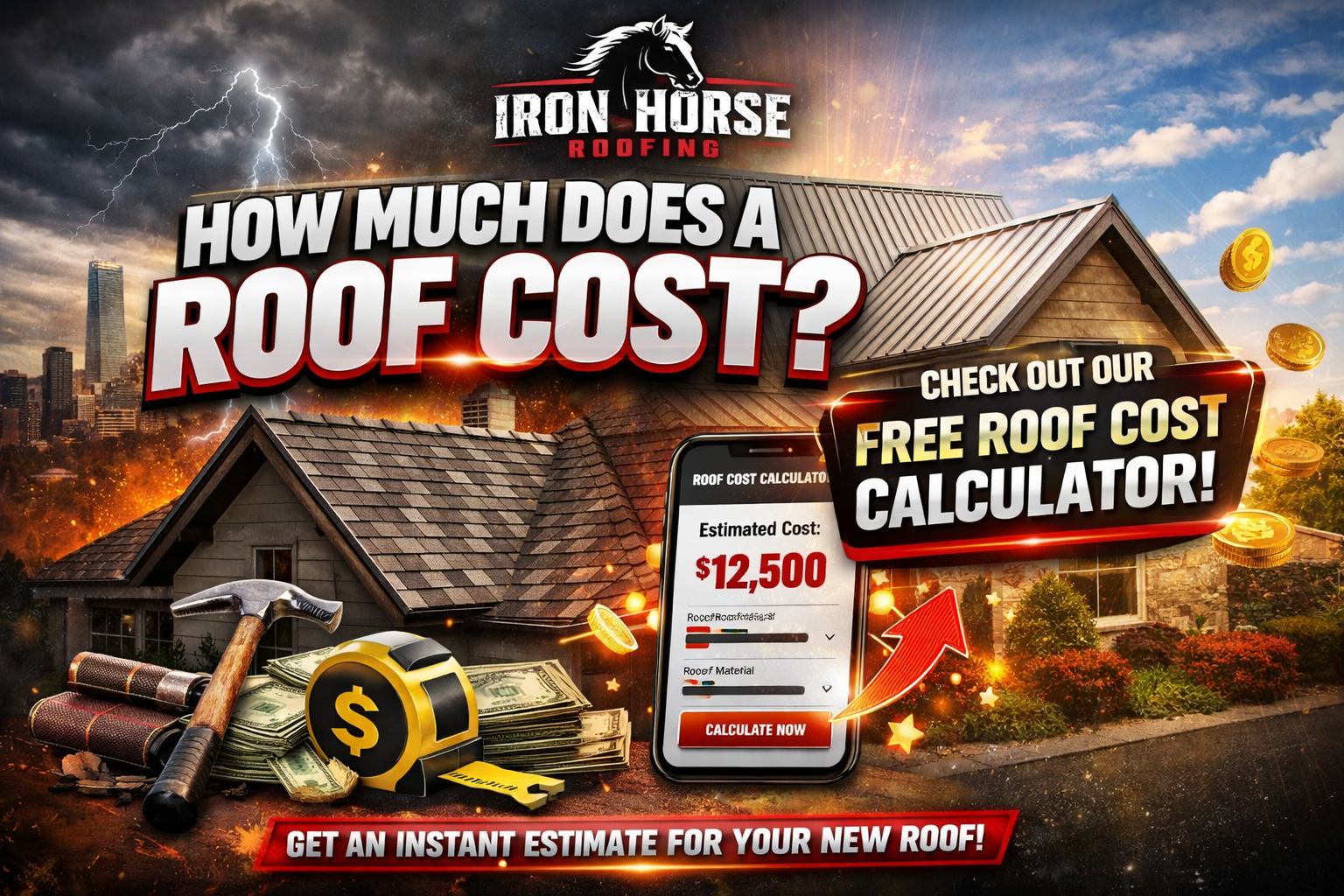
Estimate Your Roof Cost Instantly
Use our free roof cost calculator below to estimate your roof replacement price in minutes. Choose your material, home size, pitch, and get an instant range tailored for 2026 pricing. No guesswork — just clear numbers you can trust.
- ✔ Compare asphalt, metal, & premium roofing costs
- ✔ See labor + material pricing included
- ✔ Plan your budget before contacting a contractor
Get a Roof Replacement Price Range (2026)
Enter your home details first. Click Get My Quote. The numbers stay blurred until you unlock with your name + email.
- Includes waste + difficulty factors
- Material, pitch, stories, complexity, tear-off
- Unlock = full quote + email to you
Typical Roof Replacement Cost (Planning Ranges)
These numbers are for general planning. Final pricing depends on roof size, materials, complexity, and your local labor market.
| Roof Type | Typical Installed Range | Notes |
|---|---|---|
| Asphalt Shingles | Within national average range | Most common, strongest value option |
| Metal Roof | Higher than asphalt | Long lifespan, higher material & labor |
| Tile / Slate / Premium | Highest tier pricing | Heavy materials, complex install |
| Typical Full Replacement | $5,800 – $13,200 | National avg ≈ $9,500–$10,000 |
Understanding Roof Replacement Costs in 2026
A roof replacement is one of the most important structural investments you’ll make in your home. National averages typically range between $5,800–$13,200, with many homeowners landing around the $9,500–$10,000 range depending on roof size, materials, and complexity. These national figures are helpful for planning — but your final cost depends on several key factors.
What Impacts Roof Replacement Pricing the Most?
1. Roof Size (Squares)
Roofing is measured in “squares,” where one square equals 100 square feet. A 20-square roof will cost
significantly less than a 40-square roof because both materials and labor scale quickly. Larger roofs
also require more staging, safety setup, and disposal.
2. Material Selection
Asphalt shingles remain the most popular and cost-effective option nationwide. Metal systems cost
more upfront but often provide longer lifespans and durability. Tile, slate, and premium materials
are typically the highest priced due to their weight and specialized installation requirements.
3. Tear-Off & Existing Layers
Removing old roofing materials adds labor and disposal costs. Multiple layers increase the time
and dumpster weight required for the project.
4. Roof Pitch & Complexity
Steeper roofs, multi-level homes, dormers, valleys, and intricate layouts all increase installation
time. Safety requirements also rise for taller structures.
5. Local Labor Market & Permits
Roofing labor rates vary by region. Local permit requirements and inspection standards can also
influence your total investment.
Repair vs. Replacement: Making the Right Call
Minor issues like isolated shingle damage may only require repair. National repair costs often fall in the hundreds to low thousands depending on scope. However, if you’re experiencing repeated leaks, widespread shingle failure, heavy granule loss, or curling/brittle shingles, replacement may be the more cost-effective long-term solution.
Insurance and Your Out-of-Pocket Cost
If your roof was damaged by hail, wind, or another covered event, your homeowner’s policy may help cover repair or replacement. Your total out-of-pocket cost typically depends on your deductible.
To quickly calculate what your deductible means for your roof investment, use our Insurance Deductible Calculator . It’s a fast way to understand how much you may be responsible for versus what insurance may cover.
Get a Professional Estimate
While national averages are helpful for planning, a true price requires an on-site inspection. Every roof is different. Decking condition, ventilation, flashing, and local building code requirements all play a role in final pricing.
*National ranges are for planning purposes only. Final pricing requires professional measurement and inspection.
Frequently Asked Questions
How much does a roof cost for a 2,000 sq ft house?
Home size isn’t the same as roof size. Roof area depends on pitch, overhangs, and roof design. Many homes end up around 20–35 squares, but the fastest way to estimate is an address-based calculator and then confirm with a roofer.
What’s the cheapest roof option?
Asphalt shingles are typically the most cost-effective installed roof system for most homes.
What increases roof replacement cost the most?
Steep pitch, complex cut-up roofs, tear-off layers, premium materials, decking repairs, ventilation upgrades, and local labor rates.
How long does a roof replacement take?
Many standard asphalt replacements take 1–2 days, but weather, steepness, and complexity can extend timelines.
Can I get a free roof estimate?
Yes—use the estimator above for a ballpark, then request an on-site quote for exact pricing.